Published December 8, 2024
Testing Radon in Your Home: A Crucial Step for Safety

When it comes to ensuring the safety and health of your family, some threats are easy to spot, while others are invisible but equally dangerous. One such invisible hazard is radon gas—a naturally occurring radioactive gas that can seep into your home and pose significant health risks. In this blog, we'll discuss why testing for radon is essential and how you can do it effectively.
What Is Radon?
Radon is a colorless, odorless, and tasteless radioactive gas that forms from the decay of uranium in soil, rock, and water. It’s found everywhere, but when it accumulates in enclosed spaces like homes, it can reach levels that increase the risk of lung cancer. In fact, the Environmental Protection Agency (EPA) estimates that radon is the second leading cause of lung cancer in the U.S., following smoking.
How Does Radon Enter Your Home?
Radon can enter your home through:
- Cracks in floors and walls
- Construction joints
- Gaps around service pipes
- Crawl spaces
Since radon levels depend on the local geology and the structure of your home, even houses in the same neighborhood can have vastly different radon levels.
Why Should You Test for Radon?
- Protect Your Health: Prolonged exposure to high radon levels is a serious health risk. Testing helps you identify and mitigate this danger.
- Real Estate Transactions: Many buyers now request radon testing as part of the home inspection process. Knowing your home’s radon levels can make your property more marketable.
- Affordable Solutions: If high radon levels are detected, mitigation measures such as venting systems are relatively straightforward and cost-effective compared to the potential health risks.
How to Test for Radon
Testing for radon is simple and can be done in one of two ways:
1. DIY Radon Test Kits
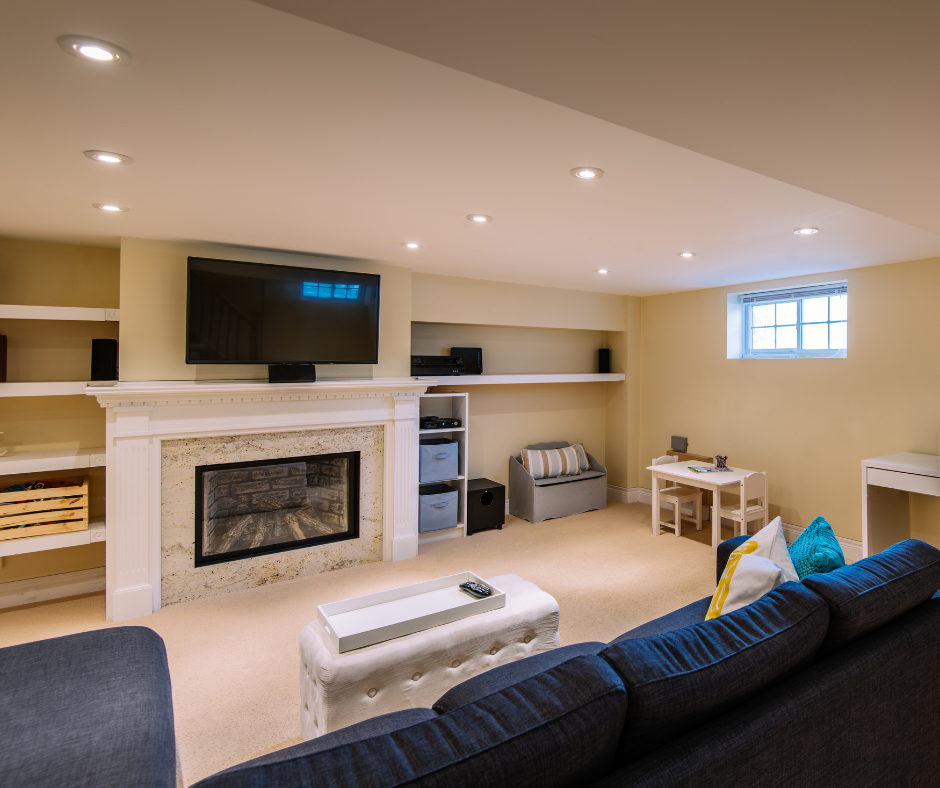
Radon test kits are widely available at hardware stores, online, and through local health departments. These kits are affordable and easy to use. Simply place the device in the lowest livable area of your home (like a basement) for the recommended time (usually 2-7 days) and send it to a lab for analysis.
2. Professional Radon Testing
Hiring a certified radon professional is another option. These experts use advanced equipment to provide precise and reliable results. This is particularly helpful if you’re in the process of buying or selling a home, as professional tests often carry more credibility in real estate transactions.
What If Your Home Has High Radon Levels?
If your test reveals radon levels of 4 picocuries per liter (pCi/L) or higher, the EPA recommends taking action. A professional radon mitigation system typically involves venting radon gas from beneath the foundation to the outside, ensuring your indoor air remains safe.
Move Forward with Confidence
At Move Forward Real Estate, we’re here to guide you through every step of making your home safe and market-ready. From recommending reliable radon testing services to connecting you with mitigation experts, we’re committed to ensuring your peace of mind.
Testing for radon might not be the first thing you think of when maintaining or selling your home, but it’s a crucial step toward creating a safe living environment. For more tips on safeguarding your home or preparing it for sale, contact us today!

Greg Martin
| Greg Martin | Move Forward Real Estate
or another way