
Published November 19, 2024
Exploring Investment Properties: Is Real Estate a Good Investment Right Now?

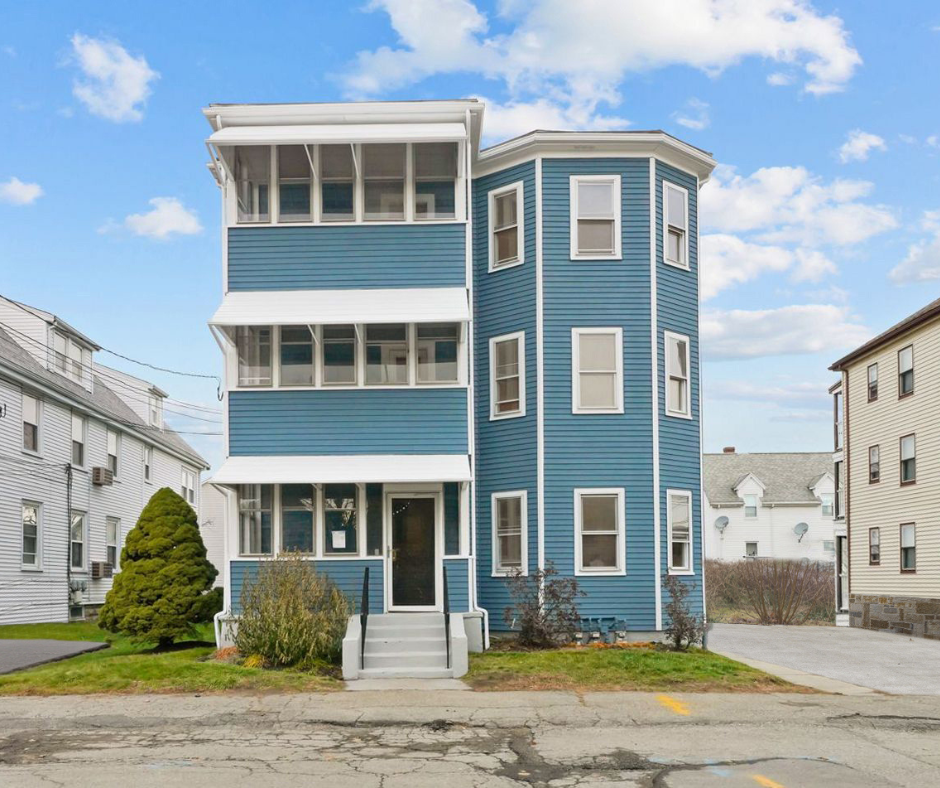
Real estate has always been a popular investment choice, offering potential for steady income and long-term value growth. But is it a good choice in today’s market? Here’s a closer look at the pros and cons of investing in real estate right now, along with important factors to consider.
Pros of Investing in Real Estate
1. Passive Income Potential
Rental properties can provide a steady income stream, especially in high-demand areas like urban centers or popular vacation spots.
2. Appreciation
Real estate generally appreciates over time, meaning property values increase, especially in growing areas. It also acts as a hedge against inflation as property values and rents rise with the cost of living.
3. Tax Advantages
Real estate investors can claim deductions on mortgage interest, property taxes, and even property depreciation, helping offset expenses and increase returns.
4. Portfolio Diversification
Real estate offers a buffer from stock market volatility, adding stability to your portfolio. This diversification can reduce overall risk.
5. Control Over Your Investment
Unlike stocks, you have more control over your property. You can renovate, adjust rents, or decide when to sell, allowing for a more hands-on approach to increase value.
Cons of Investing in Real Estate
1. High Upfront Costs
Real estate requires a large initial investment, including down payments, closing costs, and often renovation expenses, which can be a barrier to entry.
2. Market Fluctuations and Risk
While real estate is generally stable, economic shifts can impact property values, making it riskier if you need to sell during a market downturn.
3. Maintenance and Management
Properties need regular upkeep, and tenant issues can arise. While you can hire a management company, this adds to your costs.
4. Illiquidity
Real estate is a long-term investment. Selling a property can take a few months, which makes it less flexible than stocks or bonds if you need quick access to cash.
5. Interest Rate Impact
Rising interest rates make mortgages more costly, which can reduce profit margins for financed properties.
Key Factors to Consider
1. Property Type
The type of property—single-family home, multi-family unit, or commercial space—affects both income potential and management requirements. Multi-family units often provide more reliable income, while single-family homes may require less upkeep.
2. Location
Location is critical to property value and rental demand. Look for areas with job growth, good schools, and access to amenities, as these typically drive appreciation and tenant interest.
3. Rental Demand and Vacancy Rates
High rental demand is essential for steady income. Research local vacancy rates and rental prices to estimate potential income and minimize empty periods.
4. Long-Term Goals
Your financial goals and risk tolerance are crucial. If you’re seeking short-term gains, property flipping may be more appealing, while rentals suit those looking for long-term, steady income.
Curious about getting into real estate investing or taking your current properties to the next level? We’ve got you covered! Our team knows the ins and outs of finding great investment properties, boosting returns, and making the whole process as smooth as possible. Let’s chat about your goals and see how we can help you make smart, rewarding moves in the market. Ready to get started? Reach out today, and let’s take your investments forward together!

Greg Martin
| Greg Martin | Move Forward Real Estate
or another way